Objectives: Conditional Statements
In this section we’ll get comfortable with “if–then” statements and how to work with them.
-
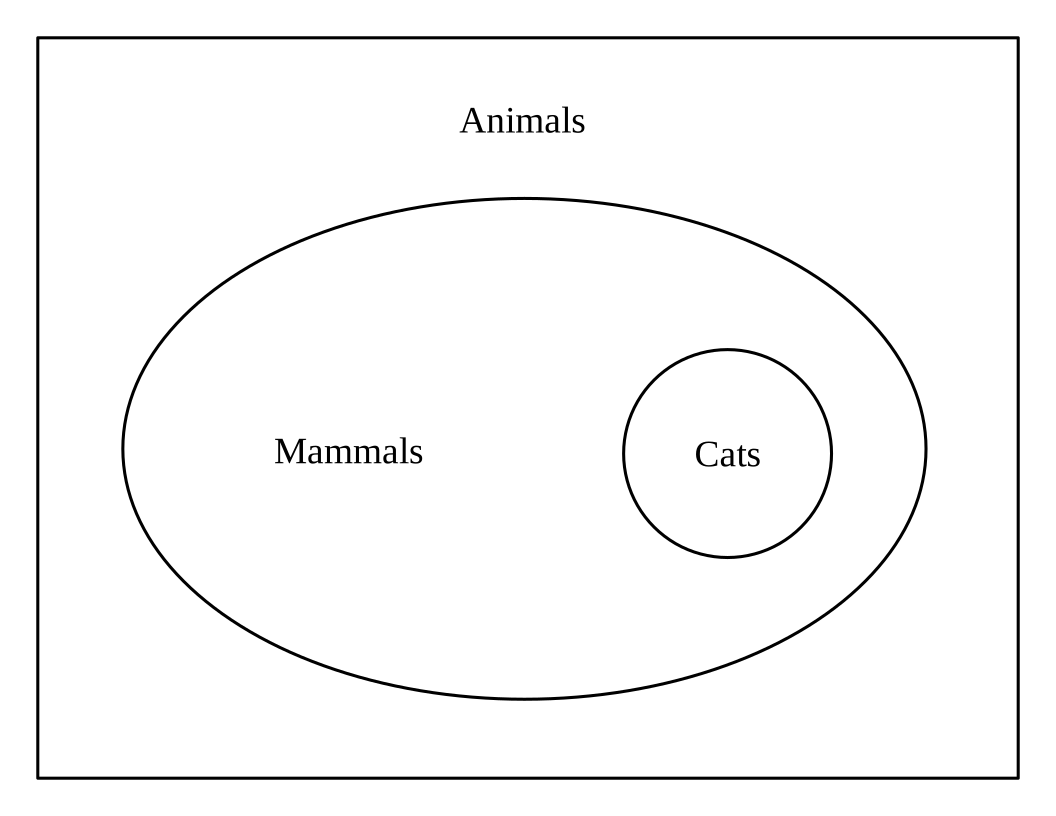
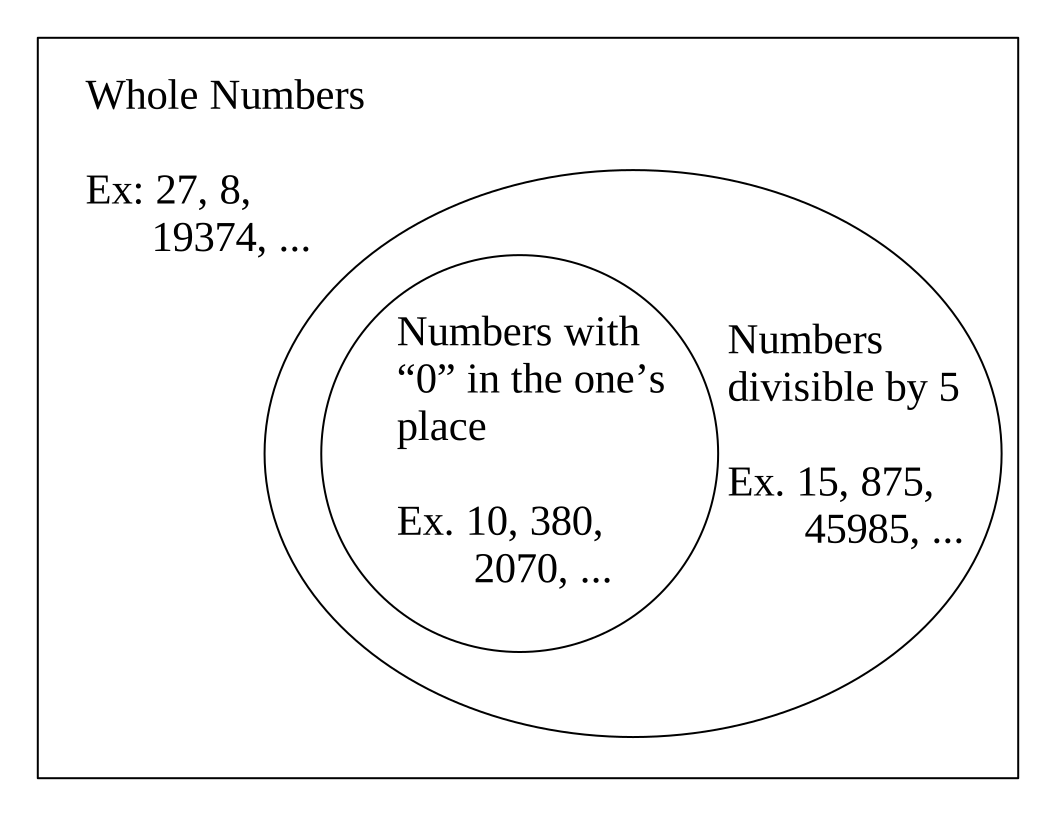
introduce if–then, or conditional, statements: name the parts (P, Q) and write them in symbols with a clear domain
-
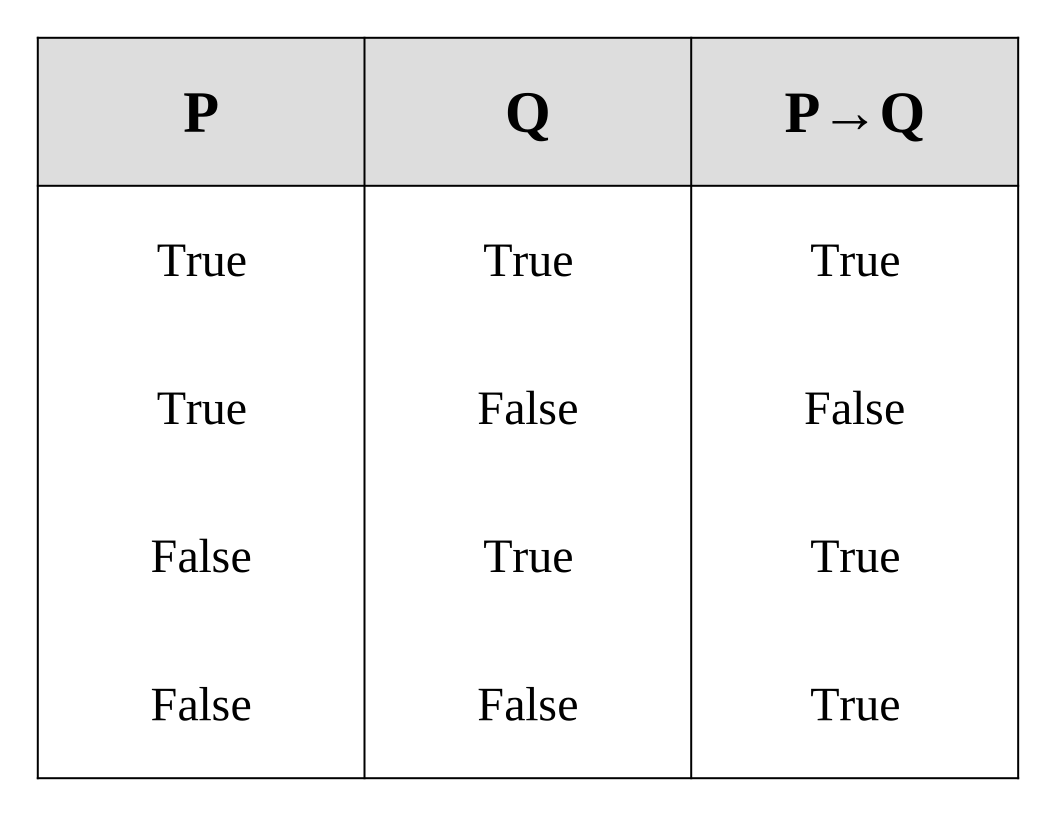
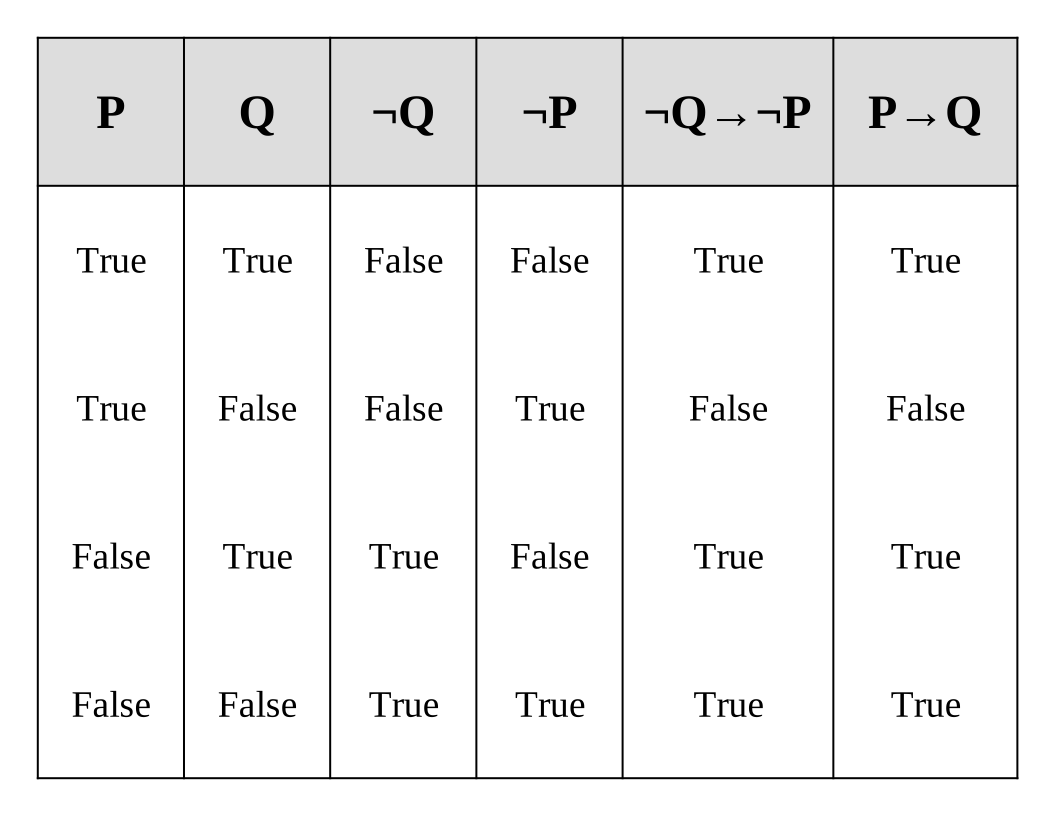
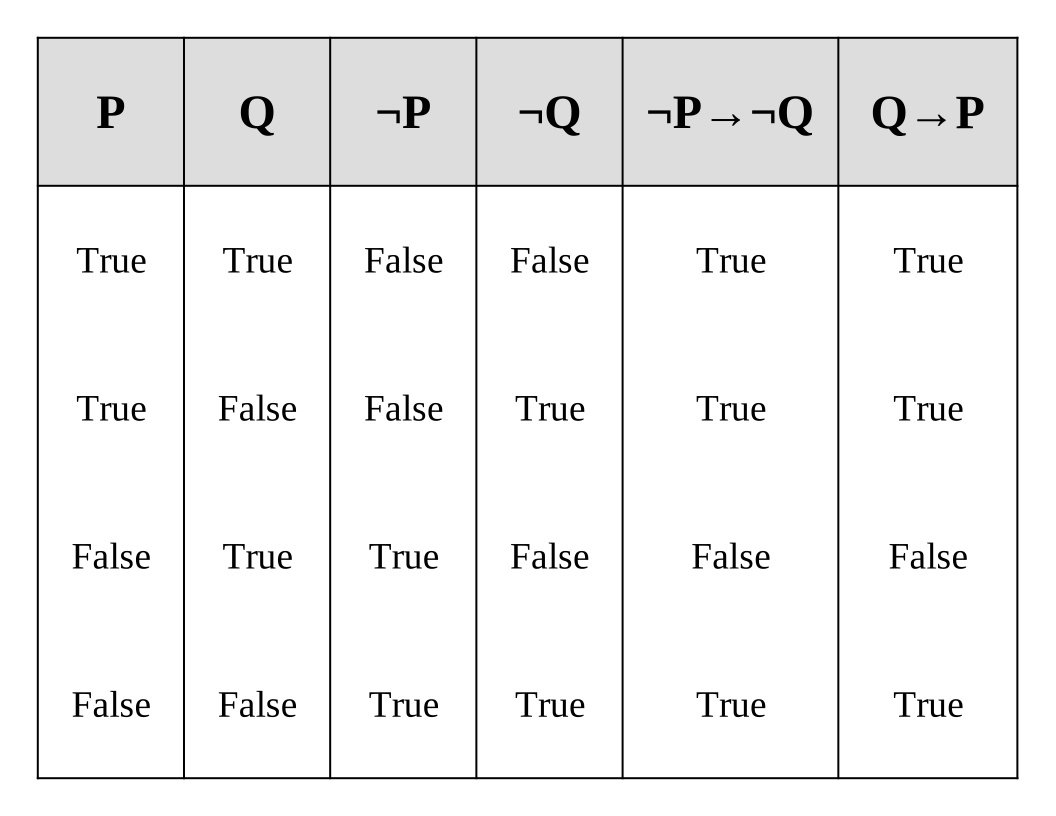
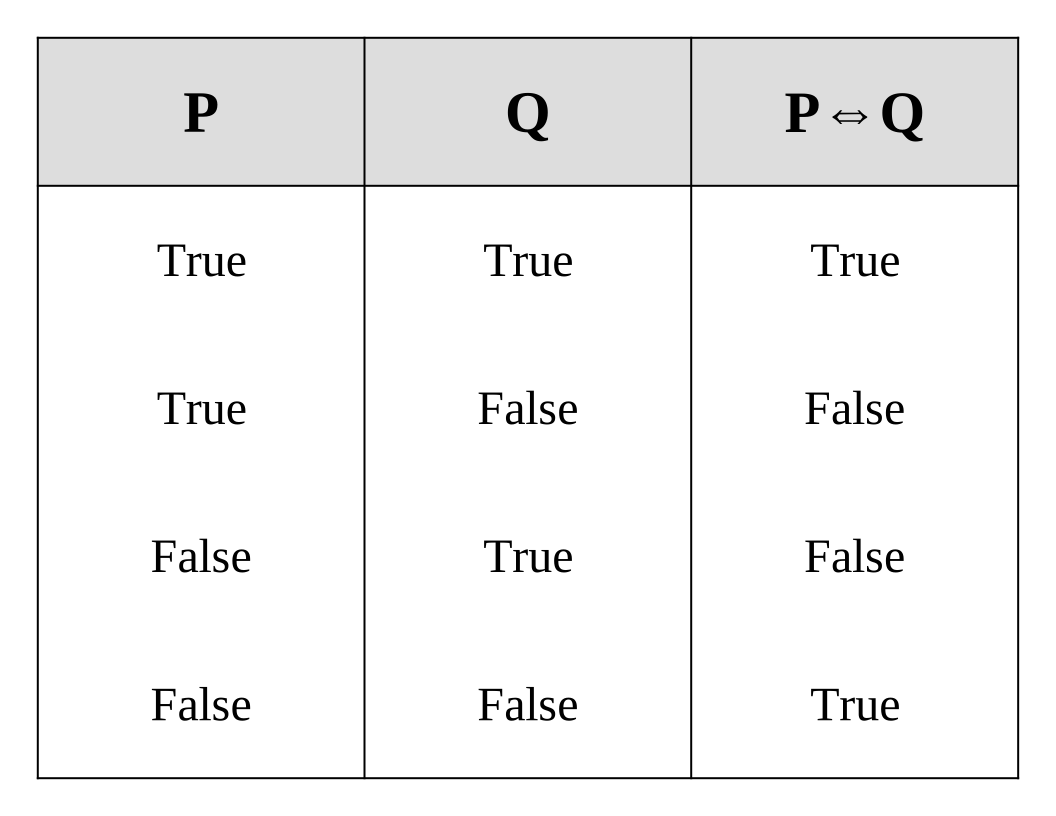
decide when “if P then Q” is true or false (including vacuous truth) using a truth table or a quick counterexample
-
prove conditionals three ways—direct, by contrapositive, or by contradiction
-
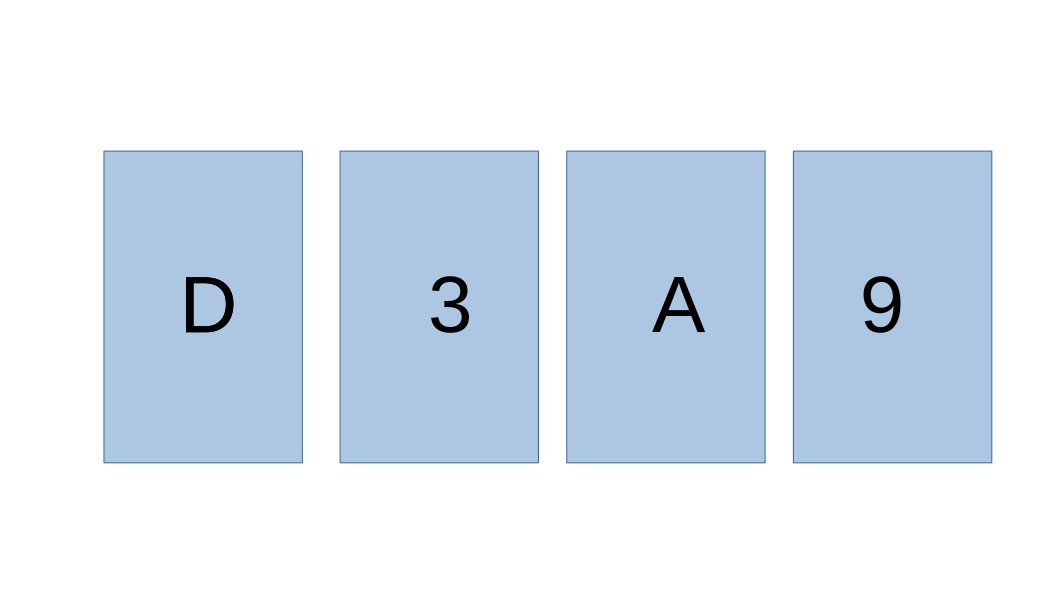
apply logic to real rules (check P-cases and not-Q cases) and avoid common pitfalls with negations and scope
By the end, you’ll understand, test, and prove “if–then” (and simple “iff”) statements with confidence.